


Playtime | The Expansive Realm of Virtual Worlds: Beyond Ordinary Playtime
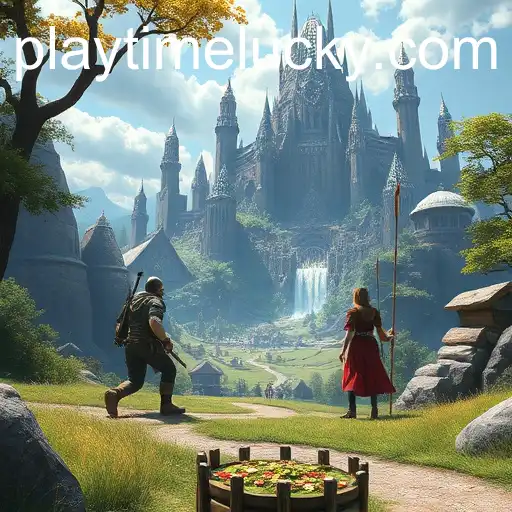
Virtual worlds have become an integral part of the gaming landscape, providing endless hours of entertainment for players seeking immersive experiences. These games allow players to escape reality and dive into intricately crafted universes where they can explore, create, and socialize with others. The concept of playtime in virtual worlds extends beyond mere leisure; it has evolved into a dynamic activity that engages the imagination and fosters community. Virtual worlds are distinguished by their ability to provide a sandbox environment where players can interact in multifaceted ways. From building digital empires to engaging in epic quests, the possibilities are vast. Titles like 'World of Warcraft,' 'Second Life,' and 'Minecraft' are a testament to the genre's popularity, each offering unique experiences that captivate players across the globe.
The keyword 'Playtime' in this context signifies not just the duration spent in these digital realms, but also the quality of interaction and personal engagement players experience. Playtime in virtual worlds often translates to social time, as many of these platforms encourage collaboration and communication between users. Players form guilds, build communities, and even establish in-game economies, reflecting complex social structures reminiscent of real-world societies. Furthermore, the technological advancements in the industry have enhanced the depth of these interactions, with virtual reality and augmented reality bringing an unprecedented level of immersion.
One significant aspect of playtime in virtual worlds is their role in digital education and innovation. Many platforms now incorporate educational elements, allowing players to learn new skills or gain knowledge while enjoying their gaming sessions. This fusion of entertainment and education has amplified the appeal of virtual worlds across diverse age groups. As developers continue to push boundaries, the future of virtual worlds looks promising, with potential applications in fields beyond entertainment, including virtual meetings, training simulations, and digital therapy. Thus, virtual worlds are not just games; they are evolving ecosystems that provide infinite opportunities for exploration and growth, redefining what it means to play in the digital era.
